


Hiking in Lefkada: Waterfalls, Mountain Villages & the Best Walking Trails
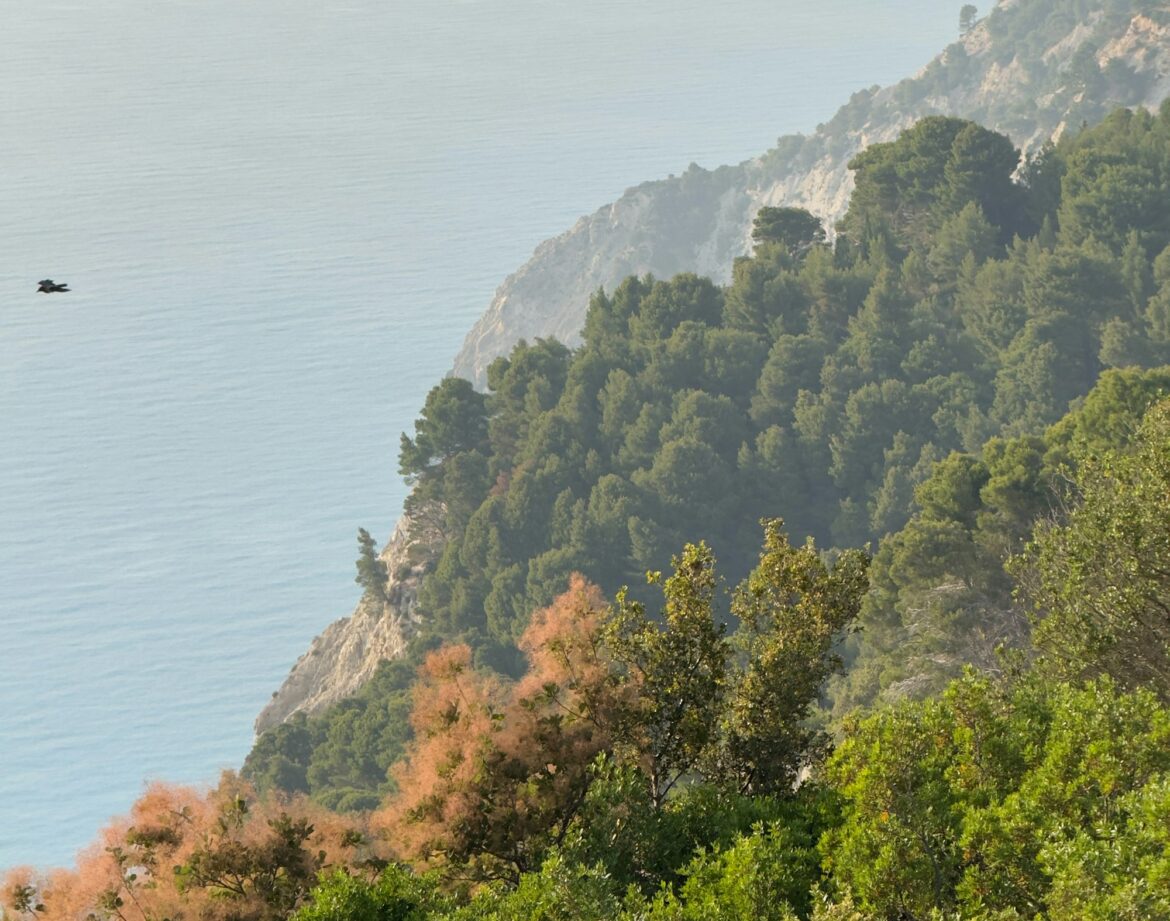
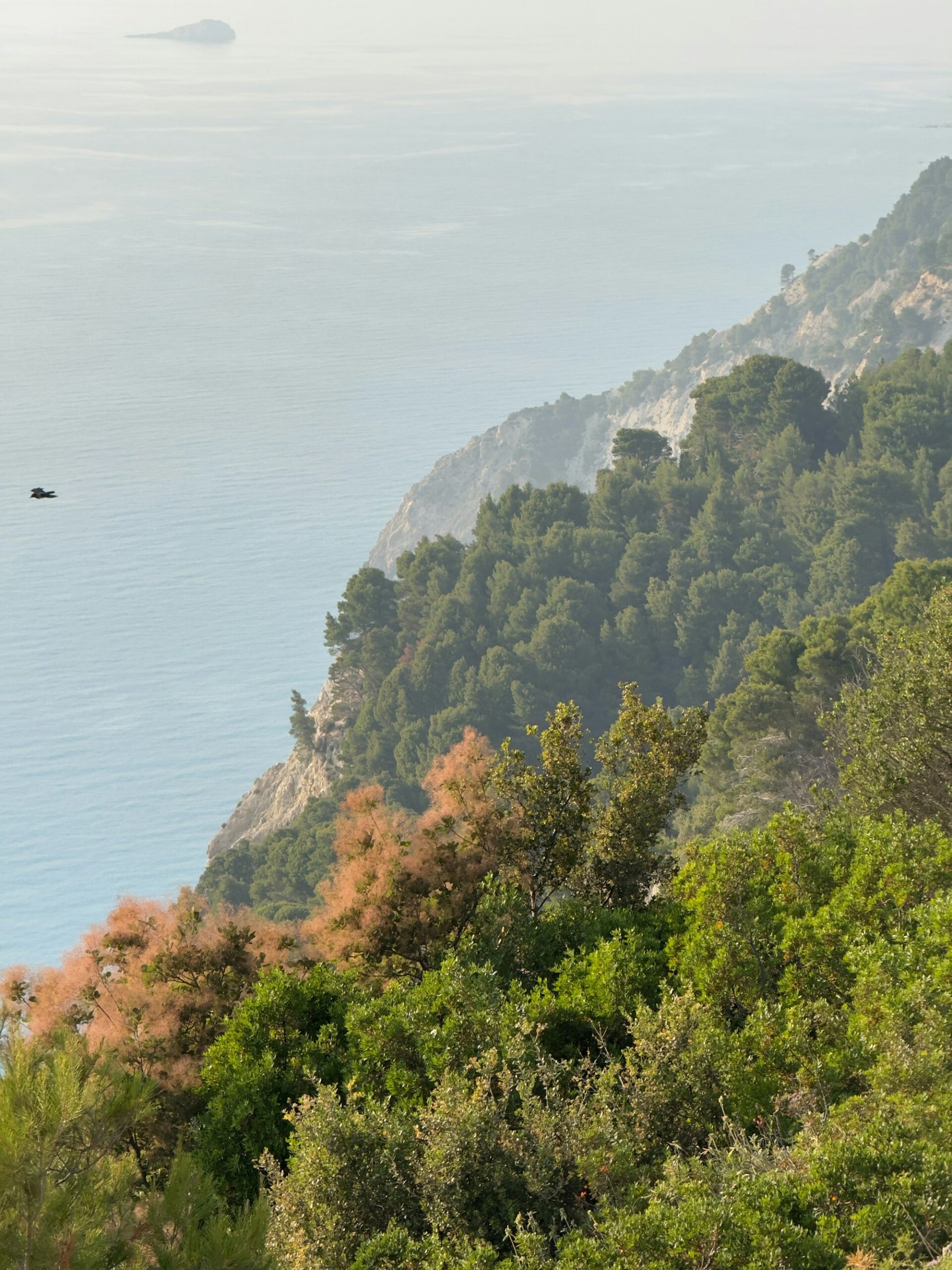
Most people come to Lefkada for the beaches, and fair enough: the west coast is famous for a reason. But turn your back on the sea for a morning and you’ll find a completely different island. There are pine-covered mountains, shady gorges with running water, stone villages where old women still sit outside their doors, and footpaths that locals used for centuries to go between fields, chapels and springs. Hiking in Lefkada is one of the best ways to see the island’s quieter side, and you don’t have to be a serious trekker to enjoy it.
In this guide we’ve gathered our favourite walks, from an easy 15-minute stroll to a waterfall to a multi-day trail that crosses the whole island. We’ve grouped them by difficulty so you can pick what suits your group, and added practical tips on when to go and what to bring.
Easy Walks for Everyone
Dimosari Waterfalls near Nidri
If you only do one walk on Lefkada, make it this one. The Dimosari (or Nidri) waterfalls lie in a green gorge just inland from Nidri, on the east coast. To get there, take the Nidri ring road before the town centre and follow the signs for the waterfalls; the road takes you about 3 km up the valley to a parking area.
From the parking, a well-kept footpath of roughly 400 metres leads you through plane trees and along the stream to the main fall, which drops into a natural pool of blue-green water. The walk takes about 15 minutes, so it works well for families with small children and for older visitors. Entry is free and the site is open all year.
- Swimming: You can take a dip in the pool, but be warned, the water is icy cold even in summer. That’s half the fun on a hot day.
- Best time: Spring and early summer, when there’s more water. In July and August go early in the morning or late in the afternoon to avoid the crowds.
- Shoes: The rocks near the water are slippery, so wear trainers or sandals with good grip rather than flip-flops.
Lefkada Town and the Lagoon
The flattest walking on the island is around Lefkada Town. The municipality promotes a circular route from town past the lagoon, the medieval castle of Agia Mavra and the narrow strip of land known as Gyra, with its old windmills and long beach. It’s a lovely sunset walk and a good way to stretch your legs on your first or last evening. Birdwatchers should bring binoculars, as the lagoon attracts herons, egrets and other water birds.
Moderate Hikes with Big Views
The Agios Nikitas Ridge Loop
Staying on the west coast? This loop of around 5.5 km starts and finishes in the centre of Agios Nikitas and takes about an hour and a half at a relaxed pace. It climbs inland through old olive groves to a ridge with an old village mill, where you look down on Mylos beach, hidden behind the headland, and over Pefkoulia beach to the north. On a clear day you can even make out Paxos, Antipaxos and Corfu on the horizon.
Much of the route uses quiet tarmac and concrete tracks rather than rough paths, so it’s manageable for most reasonably fit walkers, including older children. Walk it early, finish with a swim, and reward yourself with lunch at one of the village tavernas.
From Fryni to Faneromeni Monastery
Just above Lefkada Town, a walking route climbs from the village of Fryni up to the Monastery of Faneromeni, one of the island’s most important religious sites. It’s a short but steady uphill walk with views over the town and the lagoon. Remember to dress modestly (shoulders and knees covered) if you want to go inside the monastery.
Karya and Englouvi: Mountain Village Paths
The central mountain villages are the heart of traditional Lefkada. Around Karya and Englouvi you’ll find a network of paths through pine woods, past old windmills, stone threshing floors and little chapels perched on hilltops. Karya has a lovely plane-shaded square that’s perfect for a coffee before or after your walk, while Englouvi, one of the highest villages on the island, sits beside a fertile upland plain where local lentils have been grown for generations.
Up here it’s noticeably cooler than on the coast, which makes these walks a good choice in late spring and early autumn. If you’d like to know more about the area, see our earlier article on visiting the mountain villages of Karya and Eglouvi.
Melissa Gorge at Kavalos
In the Sfakiotes area, not far from Lefkada Town, the Melissa Gorge is a small green oasis fed by natural springs, with abandoned watermills and old wells along the way. It feels wonderfully remote, but be aware that the path is rough and not well maintained, some of the little wooden bridges are damaged, signage is limited and mobile signal can be weak. Go with a companion, take plenty of water and snacks, and turn back if anything feels unsafe.
Challenging Hikes for Keen Walkers
Mount Elati and Stavrota Peak
Lefkada’s mountainous spine is crowned by Mount Elati, and its highest point, Stavrota, rises well over 1,000 metres above the sea. Walking routes listed by the municipality climb to Stavrota and the Englouvi plateau from the villages of Chortata and Agios Ilias. The landscape is open and rocky, with sweeping views over the Ionian, stretching on clear days from Ithaca in the south to Paxos in the north. This is proper mountain terrain: allow most of a day, start early, and don’t attempt it in the midday heat of summer or in poor visibility.
Skaros Forest from Nikiana
Above the east-coast village of Nikiana, the slopes of Mount Skaros are covered in a beautiful forest of old valonia oaks. Paths lead up from the village into the woods, with wonderful viewpoints over the small islands scattered between Lefkada and the mainland. It’s a great choice if you want a longer hike but prefer shade to bare mountainside.
The Lefkada Trail: Crossing the Island on Foot
For the ultimate challenge, the Lefkada Trail runs about 80 km from Lefkada Town in the north to Cape Lefkatas (Doukato) at the island’s southern tip, mostly on old footpaths and dirt tracks. It’s an unofficial route, but free descriptions and GPX files are published online by the Lefkada Trails project. It’s usually walked in six stages:
- Lefkada Town to Nikiana (about 14.5 km)
- Nikiana to Karya (about 13 km)
- Karya to Englouvi (about 6.5 km)
- Englouvi to Agios Ilias (about 15.5 km)
- Agios Ilias to Agios Petros (about 10.5 km)
- Agios Petros to Cape Lefkatas (about 20 km)
You arrange your own accommodation and transport, and local taxis can help with transfers or luggage. You don’t have to walk the whole thing either: many visitors pick one or two stages as day hikes. Water is scarce between villages, so carry more than you think you’ll need.
When Is the Best Time to Hike in Lefkada?
Spring (April to early June) is the highlight: the hills are green, wildflowers are everywhere and the waterfalls are at their fullest. Autumn (late September to November) is the other sweet spot, with warm days, cooler mornings and a sea that’s still pleasant for a swim after your walk.
In July and August, stick to short and shaded walks like Dimosari, and go first thing in the morning or in the early evening. Midday heat on an exposed mountainside is no joke. Winter can be rewarding too, with clear days and empty trails, but expect rain, muddy paths and fewer places open in the villages.
Practical Tips for Hiking on Lefkada
- Footwear: Paths are often stony and loose. Proper walking shoes or trail runners make a big difference.
- Water and sun: Carry at least 1.5 to 2 litres per person, plus a hat and sunscreen. Village springs are lovely, but don’t count on finding one on your route.
- Navigation: Waymarking is patchy on many trails. Download the route to a hiking app or GPS before you set off, as mobile signal can drop in the mountains.
- Tell someone: Let your hosts know where you’re going and roughly when you expect to be back, especially on the longer hikes.
- Fire safety: Never light fires or throw away cigarettes. In summer the risk of wildfire is very real.
- Respect the countryside: Close any gates behind you, keep dogs on a lead near livestock, take your rubbish home and say a friendly kalimera to the people you meet.
- A car helps: Most trailheads are in inland villages that aren’t well served by buses, so a rental car (or a taxi) gives you much more freedom.
Where to Stay for Hiking
Nidri is the most practical base: it’s central, close to the Dimosari waterfalls and a short drive from the mountain villages. Lefkada Town suits the northern walks and the first stages of the Lefkada Trail, while Agios Nikitas is ideal if you want to combine coastal walks with west-coast beaches. If you’re tackling the southern part of the island and Cape Lefkatas, the Vasiliki area is a convenient choice.
Discover Lefkada on Foot
Whether you’re after a cool splash under a waterfall, a sunset stroll by the lagoon or a full day on the mountain ridges, walking shows you a side of Lefkada that most beach-goers never see. Lace up your shoes, pack a picnic and take your time; the island rewards those who slow down.
Looking for a comfortable base to come back to after a day on the trails? Browse our hand-picked villas, apartments and studios at Lefkada BnB and find the perfect place to rest your legs, with a sea view, of course.