


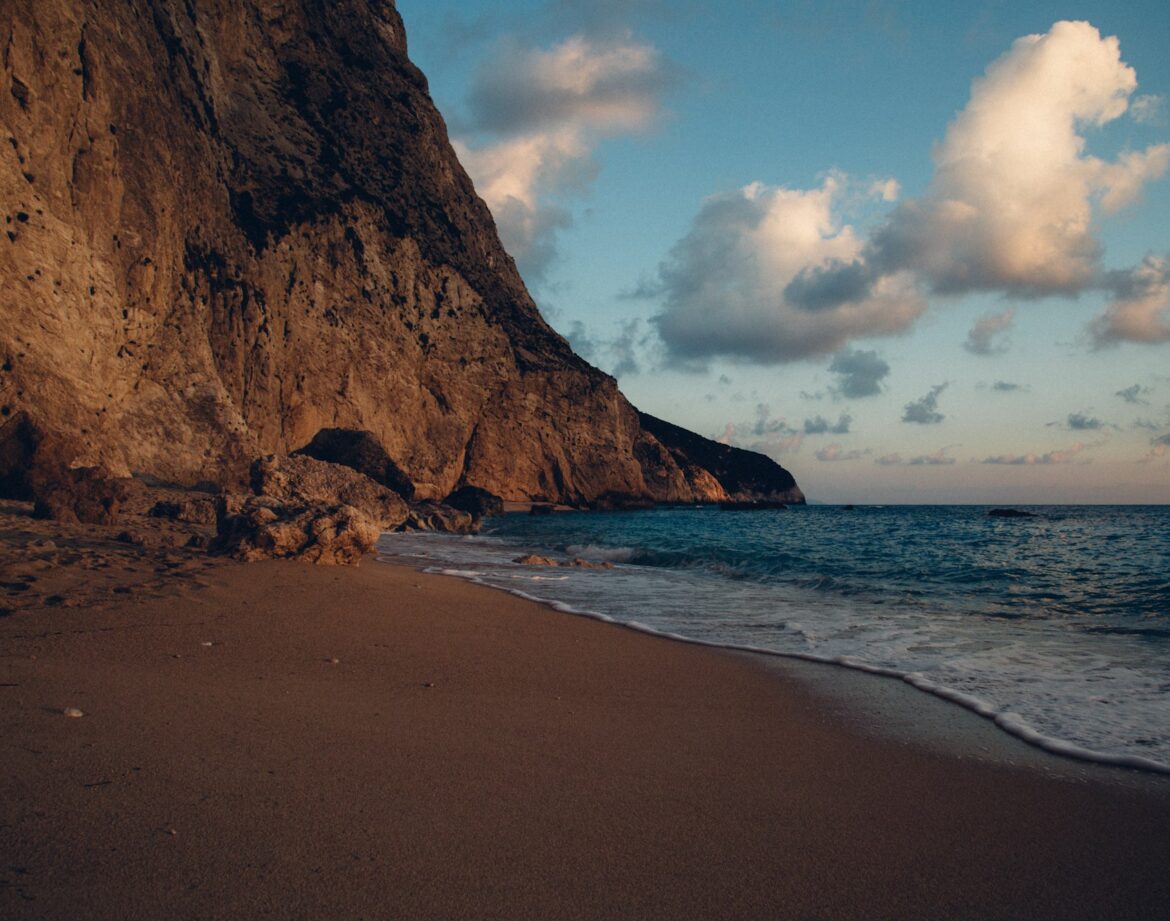
Health & Beach Safety in Lefkada: Pharmacies, the Hospital, Sea Urchins & Sun
Nobody plans a holiday around a sea urchin spine or a bad case of sunburn, yet small health hiccups are some of the most common things that interrupt a summer week by the sea. The good news is that Lefkada is an easy island to look after yourself on. It is joined to the mainland by a short causeway, it has its own general hospital, and there are pharmacies in every resort of any size. This guide covers what to pack, where to go if you need help, how European health cards and travel insurance work in Greece, and the simple beach habits that keep most problems from happening in the first place.
Emergency numbers to save before you arrive
Put these in your phone on the first day, and make sure everyone in your group knows them too:
- 112: the European emergency number. It works from any phone, and operators can usually help in English.
- 166: the Greek national ambulance service (EKAV).
When you call, give the name of the beach or village and a landmark (a taverna, a church, the car park), because many smaller beaches have no street address. Also save the address and phone number of your accommodation. If you are staying with us, our team is always happy to point you to the nearest doctor or pharmacy.
Where to get medical help on Lefkada
The General Hospital of Lefkada
The island’s public hospital is on the edge of Lefkada Town, a short drive from the centre. It is the main place for emergencies and anything that needs tests, X-rays or a specialist. If you are staying in the north of the island (Lefkada Town, Tsoukalades, Agios Nikitas, Kathisma or Lygia), it is usually close by. From the far south, around Vasiliki or Porto Katsiki, allow more time, because the roads wind through the mountains.
The Vasiliki Health Centre and village clinics
In the south, the public health centre in Vasiliki provides first aid and general care, and it can arrange ambulance transport when needed. Several villages around the island also have small regional clinics, and so do the nearby islands of Meganisi, Kalamos and Kastos. These clinics are useful for minor problems, but their opening hours and staff are limited, so for anything serious go to the hospital or call 112.
Private doctors and clinics
In summer, private doctors and medical practices in the busier resorts also see tourists, and many speak English. They can be convenient, but they are paid privately. The UK government’s travel advice notes that on some Greek islands, local staff may send visitors to private medical centres rather than the public hospital. That is fine if your travel insurance covers it, but it is worth knowing you have a choice.
Pharmacies: your first stop for small problems
Greek pharmacies, marked by a green cross, are an excellent first port of call. Pharmacists are well trained and used to helping visitors with sunburn, insect bites, upset stomachs, ear infections from swimming, minor cuts and allergies. You will find them in Lefkada Town, Nidri, Vasiliki and most larger villages.
- Evening and weekend cover: pharmacies take turns staying open outside normal hours. The on-duty pharmacy is usually listed on a notice in the window of any closed pharmacy, and your host can check it for you.
- Antibiotics and some other medicines are only sold with a prescription, and Greece applies these rules strictly.
- Bring your own regular medicines. Keep them in their original labelled packaging and carry your prescription. For larger quantities, bring a letter from your doctor stating the amount. The name on the prescription should match your passport.
EHIC, GHIC and travel insurance
If you live in the EU, your European Health Insurance Card (EHIC) gives you access to medically necessary state healthcare in Greece on the same terms as Greek residents. UK travellers can use a GHIC or a UK EHIC in the same way. In practice, this means public hospitals and public health centres. It does not cover private doctors or private clinics without a state contract, and the Greek health authority notes that dental care is generally private and paid in full.
A health card is not a replacement for travel insurance. Good insurance covers private treatment, extra nights if you cannot fly, and medical repatriation. A health card covers none of these. Check that your policy also covers any activities you plan to do, such as scooter rental, watersports or boat hire. If you have an ongoing condition or are pregnant, tell your insurer before you travel.
Beach health: the things that actually happen
Sea urchins on rocky entries
Clean, clear water is exactly where sea urchins like to live, so you will often see them on rocks in the shallows, especially at small coves, harbour walls and rocky swimming spots. Stepping on one is painful but rarely serious. Some simple habits help:
- Pack a pair of water shoes for every member of the family. They also make the larger pebbles on many west-coast beaches much easier to walk on.
- Get in and out of the water on sand or smooth pebbles, not over dark rocks.
- Wear a mask when swimming along rocky edges, so you can see where you put your hands and feet.
- If you do get spines in your foot, remove the ones you can see gently with tweezers. Clean the area, and ask a pharmacist or doctor if spines are deep or the area becomes red and swollen.
Jellyfish
Jellyfish appear in the Ionian Sea in some summers and not others, and numbers can change from day to day with the wind and currents. Locals and beach bar staff usually know if they have been seen that day, so ask before you swim. If you are stung, leave the water, rinse the area with seawater (not fresh water), and avoid rubbing it. A pharmacist can recommend a soothing cream. Seek medical help for a severe reaction or any difficulty breathing.
Waves and currents on the west coast
The famous west-coast beaches, such as Kathisma, Egremni and Porto Katsiki, face the open sea. On windy days they can have strong waves and a steep drop close to shore. Not every beach has a lifeguard, so on rough days swim close to shore, keep children within arm’s reach, or head to the calmer east coast around Nidri and Lygia. Our guide to which side of Lefkada is windy explains how to choose a beach based on the day’s conditions.
Sun, heat and staying hydrated
Sunburn and too much heat are among the most common holiday complaints in a Greek summer. The breeze and the sea make the sun feel gentler than it really is, and the bright white cliffs and pale pebbles of beaches like Porto Katsiki reflect even more light onto your skin.
- Plan beach time for the morning and late afternoon, and spend the hottest midday hours in the shade, perhaps over a long taverna lunch.
- Use a high-factor sunscreen and reapply after every swim. Hats, sunglasses and a light long-sleeved top help a lot, especially for children.
- Drink water regularly, and more than usual if you are hiking or cycling. Carry a refillable bottle and top it up whenever you can.
- Be careful with long walks in July and August. Steep beach staircases, such as the steps down to Porto Katsiki and Egremni, are tiring in full sun. Our Porto Katsiki guide covers the best times to go.
- Medicines, heat and late nights do not always mix. If you take regular medication, ask your doctor or pharmacist how heat may affect it.
Other everyday health tips
- Mosquitoes: they are most active at dusk, especially near the lagoon around Lefkada Town and in green, sheltered areas. Repellent and a plug-in device for the bedroom make a big difference.
- Swimmer’s ear: long days in the sea can lead to ear infections, especially in children. Dry ears well after swimming, and see a pharmacist early if pain starts.
- Scooters and quads: road injuries are a much bigger risk than anything in the sea. Always wear a helmet, avoid driving after drinking, and take the mountain roads slowly.
- Walking and hiking: wear proper shoes on trails, carry water, and tell someone where you are going. Our hiking guide has ideas for routes.
A simple holiday first-aid kit
You can buy almost everything locally, but it is handy to arrive with the basics so you are not looking for an open pharmacy on a Sunday evening:
- Your regular prescription medicines, plus copies of the prescriptions
- Plasters, antiseptic wipes and a small pair of tweezers
- High-factor sunscreen and after-sun lotion
- Pain and fever relief suitable for everyone in your group
- Antihistamines and bite cream
- Rehydration sachets
- Water shoes and a hat for everyone
Relax, you are in good hands
With a little preparation, most visitors never need more than a quick chat with a pharmacist. Save the emergency numbers, pack water shoes and sunscreen, sort out your health card and insurance, and you can spend your days swimming, exploring and enjoying long dinners without worry. If you are looking for a comfortable base for your island holiday, take a look at our apartments and villas at Lefkada BnB. We know the island well and are always glad to help our guests with local tips, including where the nearest pharmacy is.