Snorkelling & Scuba Diving in Lefkada: Best Spots, Sea Life & When to Go
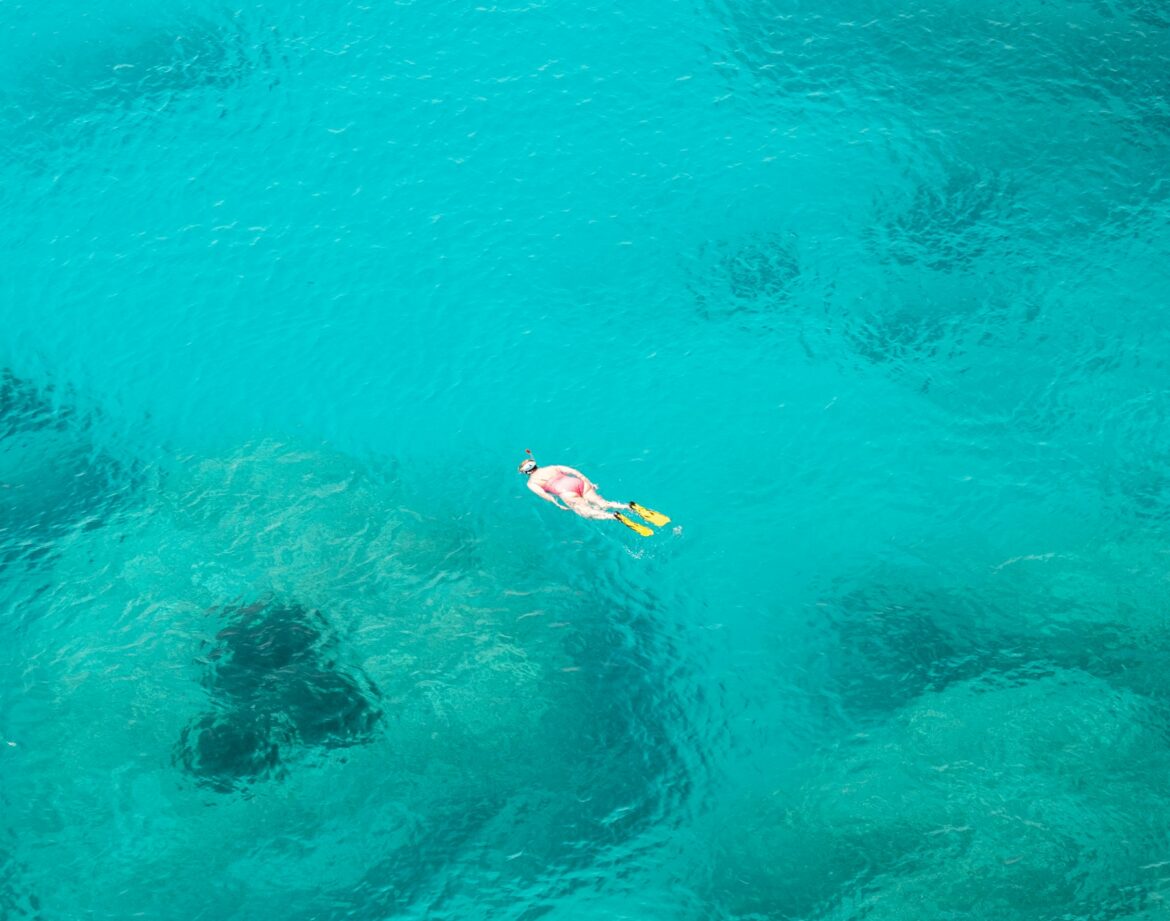
Most visitors fall in love with Lefkada from above: the white cliffs, the turquoise bays, the impossible blues of the west coast. But put on a mask and look down, and the island shows you a second landscape. Rocky reefs, sea grass meadows, caves and drop-offs sit just a few strokes from many beaches, and the water is famously clear for much of the summer.
Whether you just want to float over a few curious fish with the kids or you’re thinking about your first ever scuba dive, this guide covers the best snorkelling spots on Lefkada, what diving here is like, when the water is at its best, and how to stay safe and respectful underwater.
Why Lefkada Is Good for Snorkelling
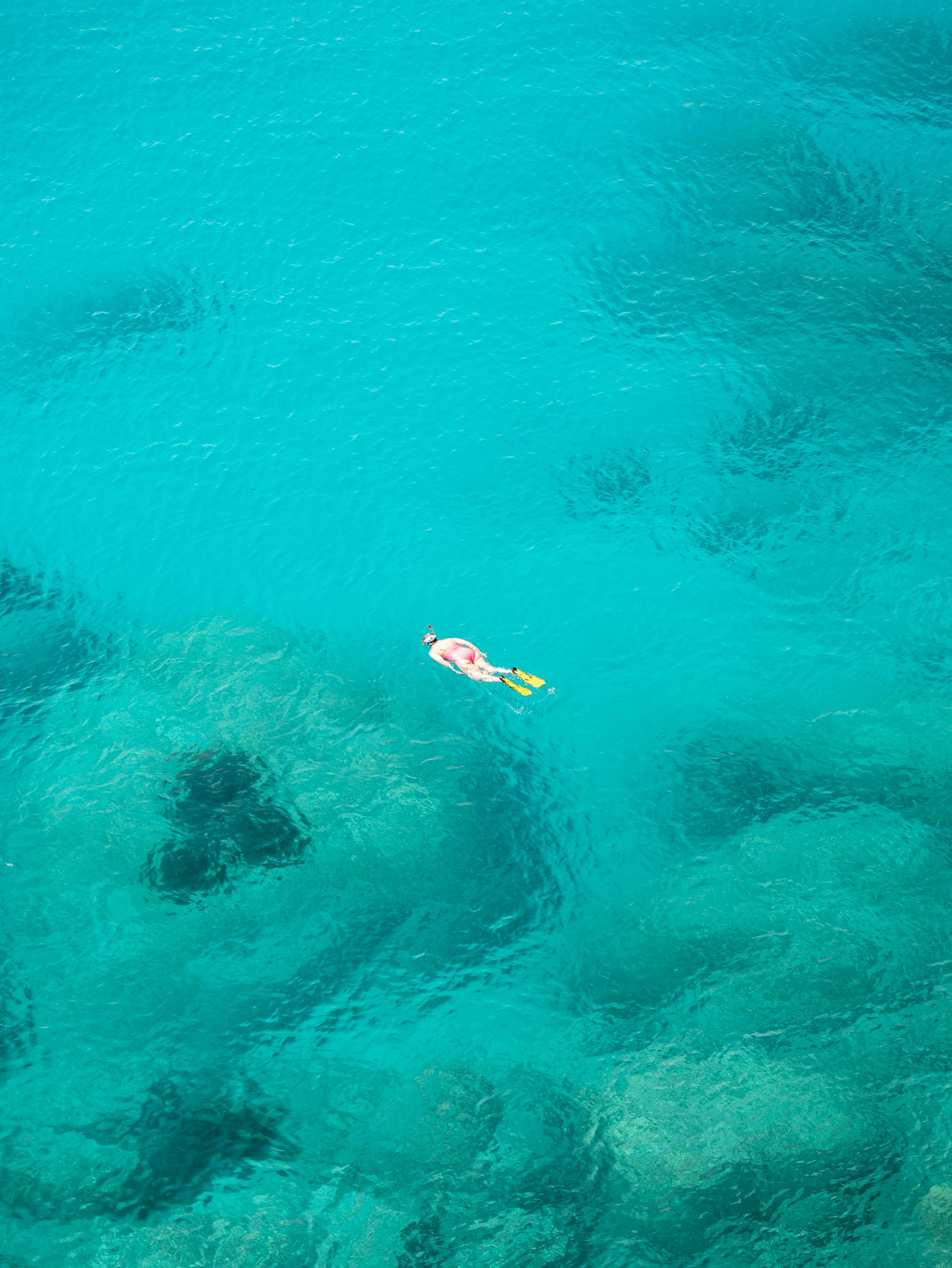
Lefkada has two very different coasts, and that is great news for snorkellers. The east coast, facing the mainland and the small islands of Meganisi and Skorpios, is sheltered and usually calm, with gentle entries and plenty of rocky patches where fish gather. The west coast is wilder and more dramatic, with deep blue water under limestone cliffs, but it is exposed to the open Ionian Sea, so conditions change with the wind and swell.
The best snorkelling is almost always along the rocky edges of a bay rather than over open sand. Rocks give fish shelter and food, so that’s where you’ll see the most life. Pebble beaches also tend to keep the water clearer than fine sand, which can cloud up when the sea is choppy.
Best Snorkelling Spots in Lefkada
Agiofili Beach (near Vasiliki)
Tucked into a small cove east of Vasiliki, Agiofili is one of the most frequently recommended snorkelling beaches on the island. Steep green slopes drop into very clear water, and the rocky sides of the bay are where you’ll find most of the fish. Access is easiest by boat or water taxi from Vasiliki; there is also a path down from the road, but it is steep, so wear proper shoes.
Ammoussa (south coast)
A pebbly beach on the south of the island with calm, clear water and easy entry. Patches of rock just offshore attract small shoals of fish, which makes it a relaxed choice for less confident swimmers.
Sivota and Poros Bays (south-east)
These deep, sheltered inlets are among the calmest waters on Lefkada and a good bet on windy days. Easy entry points and rocky sections along the shore make them especially suitable for families and first-time snorkellers. Mikros Gialos beach near Poros is a lovely spot to combine a swim with a lazy lunch.
Mylos Beach (near Agios Nikitas)
Mylos is reached by water taxi from Agios Nikitas or on foot over the hill, and its isolation is part of the charm. The seabed near the rocks is clear and interesting, and it’s usually at its best earlier in the day before the afternoon breeze picks up.
Porto Katsiki and Egremni (west coast)
The island’s most famous beaches can be wonderful for snorkelling on a calm morning, with sculpted rocks and blue water beneath the cliffs. Be realistic, though: this is the open sea. If there is any swell, stay close to shore or save your mask for the east coast.
Meganisi and the Small Islands
Boat trips from Nidri usually include swim stops in the clear bays of Meganisi and around Skorpios, and many visit sea caves such as Papanikolis Cave on Meganisi. Bring your mask and snorkel on any boat trip: the swim stops are often in water that’s hard to reach from land.
Scuba Diving in Lefkada
Diving on Lefkada is quieter than windsurfing or kitesurfing, but that’s part of its appeal. The underwater landscape includes reefs, rock walls, caverns and caves, and the waters around Meganisi and Skorpios are popular dive areas too. Local dive centres also take more experienced divers to deeper wall dives, such as off Cape Lefkatas (Ducato) at the island’s southern tip, and at least one wreck site near Vasiliki.
You’ll find dive centres based in Nikiana, Nidri and Vasiliki. Between them they offer:
- Try-dives and “discover scuba” sessions for complete beginners, usually starting with a briefing and shallow, supervised practice
- Entry-level and advanced certification courses (PADI and CMAS centres both operate on the island)
- Guided boat dives for certified divers, with equipment rental
- Speciality courses and occasional underwater clean-up dives
If you’re certified, bring your logbook and card. If you’ve never dived before, a try-dive in calm east-coast water is one of the most memorable experiences you can have on holiday. Always check that a centre is properly licensed and ask about group sizes before you book.
What You Might See Underwater
The Ionian isn’t a tropical reef, but it’s full of life if you slow down and look closely. Commonly seen species around Lefkada include octopus, moray eels, groupers, sea bream, damselfish and lobsters hiding in crevices, with barracuda sometimes passing in deeper water. Look out too for sea urchins on the rocks, starfish, and swaying meadows of Posidonia sea grass, which keeps the water clean and shelters young fish.
The Inner Ionian Sea is also home to the endangered Mediterranean monk seal. Researchers have recently recorded seals using hidden, underwater-entrance caves on Formicula, a small uninhabited islet in the archipelago, to rest away from people. Sightings are rare and very special. If you’re ever lucky enough to see one, keep your distance, stay quiet and never enter a cave where a seal is resting.
When to Go: Water Temperature and Visibility
The diving and snorkelling season on Lefkada generally runs from May to October. The sea is around 17°C in early April and warms to roughly 23°C by early June, getting warmer still through the summer. Visibility is typically somewhere between 10 and 30 metres, and often best on calm, sunny days.
- May–June: fresh, clear water and quieter beaches; a shortie wetsuit is handy for longer snorkels.
- July–August: the warmest sea, ideal for kids and long sessions, but popular beaches get busy, so go early.
- September–October: often the sweet spot, with the sea still warm after summer and fewer people in the water.
Divers usually wear a 5mm wetsuit in summer, as it can feel cooler at depth. Out of season the sea rarely drops below about 12°C, so winter diving means a semi-dry or drysuit.
Practical Tips for Snorkelling in Lefkada
- Read the wind. Afternoon winds are common, especially in the south around Vasiliki. Snorkel in the morning, and if the west coast is rough, head east.
- Bring your own mask that fits. Rental gear is available in resorts, but a good-fitting mask makes all the difference.
- Wear water shoes. Rocky entries and sea urchins are part of the deal on many beaches.
- Use reef-friendly sun protection and a rash vest; the sun on your back is stronger than you think when you’re face-down in the water.
- Watch for boats. Bays near Nidri, Vasiliki and Sivota are busy with boat traffic; stay close to shore and use a bright swim buoy if you swim further out.
- Look, don’t touch. Leave shells, starfish and sea urchins where they are, and never stand on sea grass or rocks covered in life.
- Never snorkel alone and keep a close eye on children, even in calm bays.
Combine It with a Boat Day
One of the easiest ways to snorkel Lefkada’s best spots is from a boat. Island-hopping trips from Nidri include swim stops around Meganisi and Skorpios, while water taxis from Vasiliki and Agios Nikitas reach beaches like Agiofili and Mylos. With a licence-free rental boat you can choose your own coves and simply drop anchor wherever the water looks clearest, which on Lefkada is quite often.
Stay Close to the Water with Lefkada BnB
Snorkelling is best done early, when the sea is still glassy and the beaches are quiet, so it pays to stay nearby. Whether you prefer the calm east-coast bays around Nidri and Nikiana or the wilder blues of the west, Lefkada BnB has villas and apartments across the island to suit couples, families and groups. Pack your mask, choose your base, and let the island show you what lies beneath the surface.