


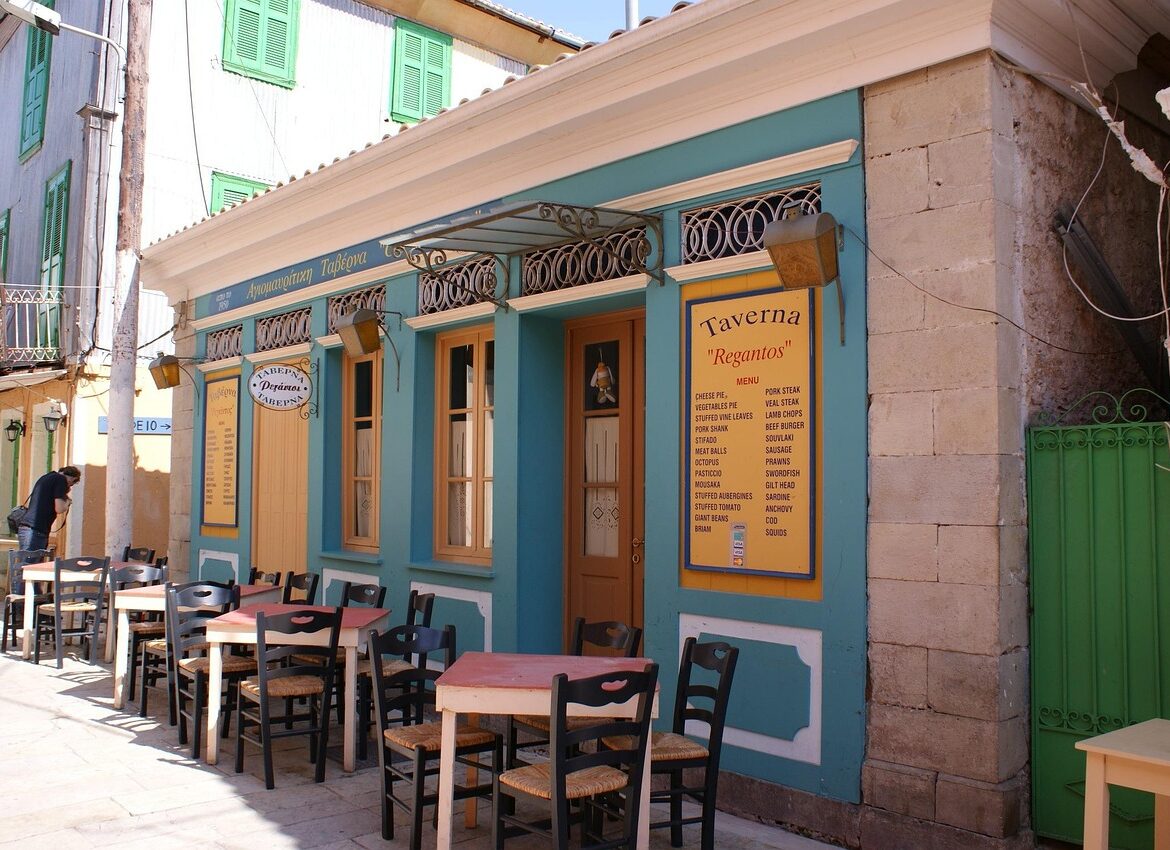
Traditional Food in Lefkada: Local Dishes and Products You Have to Try
Lefkada is famous for its turquoise beaches, but anyone who has spent a few evenings at a village taverna knows the island is just as memorable at the table. Its cooking blends Ionian sea flavours, mountain farming traditions and a noticeable Venetian influence from the centuries when the island was ruled from Venice. The result is a cuisine that feels familiar to anyone who loves Greek food, yet has plenty of dishes you won’t easily find elsewhere.
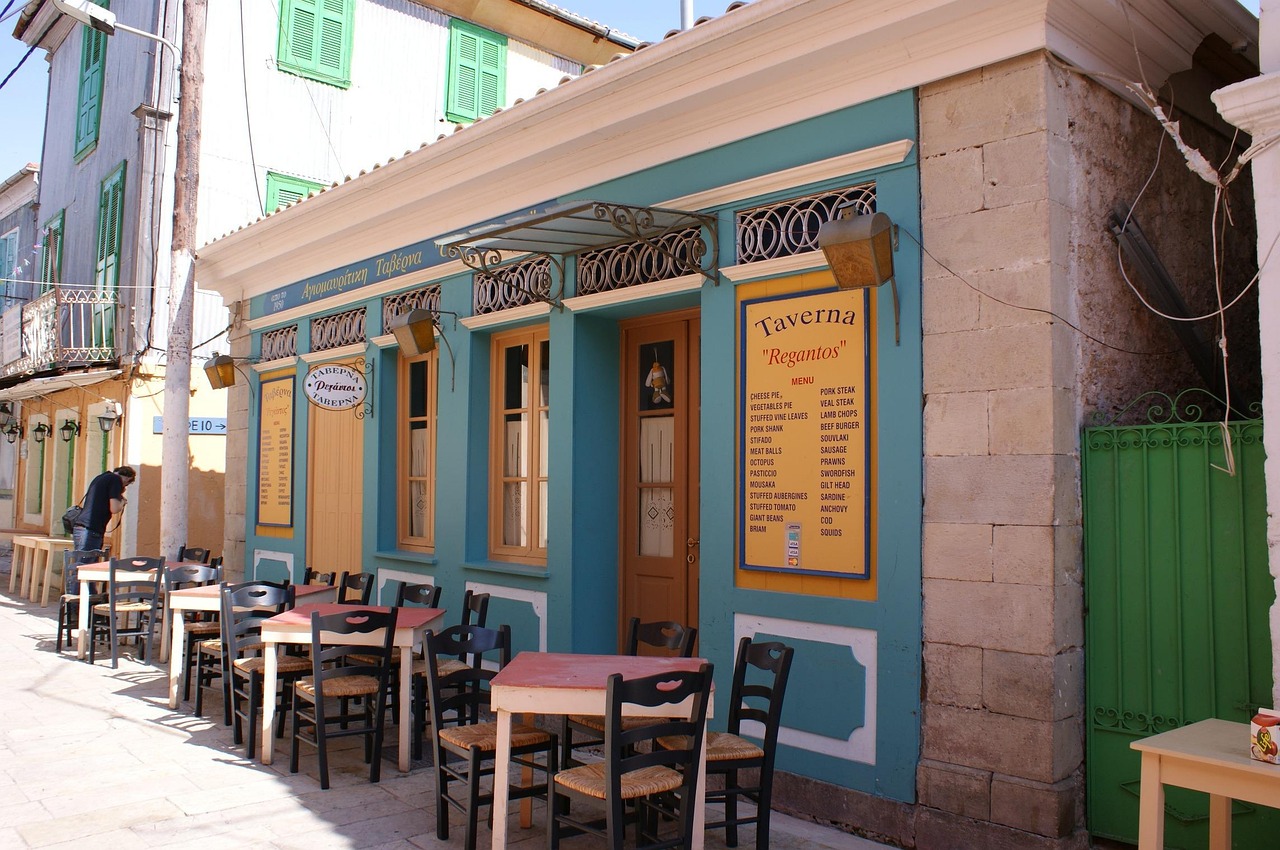
Here is our guide to the traditional food of Lefkada: the local products worth bringing home, the dishes to look for on taverna menus, and a few tips for eating like a local during your stay.
What makes Lefkada’s cuisine special?
Like the other Ionian islands, Lefkada spent a long period under Venetian rule, and you can still taste it today: cured meats, sweet-and-sour sauces, vinegar-based marinades and pasta paired with slow-cooked meat all have Italian echoes. At the same time, the island has two very different larders. Along the coast and around the lagoon near Lefkada Town, fish and seafood dominate. Up in the mountain villages of the interior, the food is heartier, built around pulses, home-grown vegetables, olive oil, honey and wine.
Local products to taste (and take home)
Lefkada salami
If there is one product the island is known for across Greece, it is its air-dried salami. It is seasoned generously with garlic and whole peppercorns and left to mature naturally in the air, which gives it a firm texture and an unmistakable aroma. Its roots are usually traced to the Venetian period, and several family producers have been making it for decades. You’ll find it sliced on meze platters in tavernas and sold whole in delis and mini-markets around Lefkada Town, making it one of the easiest edible souvenirs to pack.
Eglouvi lentils
High in the mountains, on the plateau next to the village of Eglouvi, farmers grow small lentils that are prized all over Greece. They are known for their rich flavour and for cooking remarkably quickly. Locals like them simply prepared: boiled until soft and finished with extra virgin olive oil, garlic and oregano. The village celebrates its lentils every summer with a feast on 6 August, the eve of the feast day of its patron saint, Agios Donatos, when traditional lentil dishes are shared with visitors. If you are touring the mountain villages, it’s worth combining Eglouvi with nearby Karya for a full day inland.
Avgotaracho (lagoon fish roe)
The lagoon beside Lefkada Town has long been used for fishing, and it is the source of the island’s avgotaracho, a cured and pressed grey mullet roe sometimes described as Greek “bottarga”. It is produced in small quantities and is considered a delicacy, usually served in thin slices with bread or a drizzle of olive oil and lemon.
Thyme honey, olive oil and wine
Lefkada’s hillsides are covered in wild thyme, and the honey produced in villages such as Dragano and Athani is wonderfully fragrant. Olive groves cover much of the island, and local olive oil appears on every table. For wine lovers, look out for Vertzami, a deep red variety grown in Lefkada’s mountain vineyards that is closely associated with the island, and Vardea, a local white. Lefkada’s agricultural cooperative, founded in the early twentieth century, still produces wines from these grapes, so ask for a local bottle or house wine when you sit down to eat.
Traditional dishes to look for on the menu
Not every taverna serves every local speciality, and some dishes are more often cooked at home or for festivals. When you do spot them, though, they are well worth ordering.
- Sofigado: a slow-cooked beef or veal dish with plenty of garlic, sweetened with quince and grape syrup. The quince is what sets Lefkada’s version apart from similar dishes on other Ionian islands.
- Kokoras (rooster) with thick spaghetti: rooster braised slowly in a rich sauce and served with pasta, a hearty Ionian classic.
- Savoro: small fried fish, such as sardines or picarel, marinated in a sharp sauce of vinegar and rosemary. It was originally a way of preserving the catch and is delicious cold on a hot day.
- Riganada: the Ionian answer to bruschetta. Dried bread is soaked with olive oil, sprinkled with oregano and salt (often with tomato and cheese too), perfect with a glass of wine.
- Fish soup: fresh fish cooked into a simple, comforting soup is a staple of seaside tavernas, especially around the harbours.
- Cuttlefish with rice: cuttlefish cooked in its own ink with rice, a dark, intensely flavoured seafood dish.
- Baked eel and salt cod: eel baked in the oven and salted cod are traditional dishes connected to the island’s fishing heritage.
Homemade pies
Pies are a big part of village cooking. Look out for lachanopita made with wild greens, makaronopita (a pie filled with spaghetti), and briani, made with green courgette. On festive occasions families bake ladopita, a sweet olive-oil pie.
Sweets and drinks
Lefkada has a sweet tooth. Mandolato, a soft white nougat with almonds, and pasteli, a crunchy bar of honey and sesame, are the island’s signature sweets and make excellent gifts. Look out too for ladokouloura, simple olive-oil cookies. To drink, try soumada, a refreshing non-alcoholic almond syrup diluted with cold water, or a small glass of rozoli, a traditional liqueur served as a digestif (mint and rose liqueurs are also made locally).
Where to eat traditional food in Lefkada
You’ll eat well almost anywhere on the island, but each area has its own character:
- Lefkada Town: the narrow lanes of the old town are full of family tavernas and mezedopolia, and it’s the best place to shop for salami, honey, nougat and wine.
- The east coast (Nidri, Ligia, Perigiali): waterfront tavernas with fresh fish and views of the small islands opposite. Ligia is a small fishing village with a traditional harbour feel.
- The mountain villages (such as Karya and Eglouvi): heartier, home-style cooking with grilled meats, pies, pulses and local wine, often under plane trees in the village square.
- The west coast (Agios Nikitas, Kathisma, Athani): relaxed tavernas where dinner comes with one of the island’s famous sunsets.
Tips for eating like a local
- Eat late: Greeks rarely sit down for dinner before 9pm in summer, and the atmosphere is livelier later in the evening.
- Share everything: order several dishes for the table and share them, meze-style.
- Ask what’s fresh: fish is often priced by weight, so ask to see the catch of the day and confirm the price before it is cooked.
- Go to a village festival: summer panigiria (saints’ day feasts) are the best way to taste home cooking, local wine and live music in one evening.
- Shop for souvenirs at the end of your trip: salami, honey, mandolato and olive oil all travel well, but buy them on your last days so they stay fresh.
Taste Lefkada with us
Food is one of the best ways to get to know Lefkada beyond its beaches, from a plate of garlicky salami in the old town to a bowl of Eglouvi lentils in the mountains. Many of our guests love having their own kitchen too, so they can pick up local produce at the market and cook a Greek meal on the terrace. Find your perfect base for exploring the island’s flavours at Lefkada BnB, and we’ll be happy to point you towards our favourite local tastes.